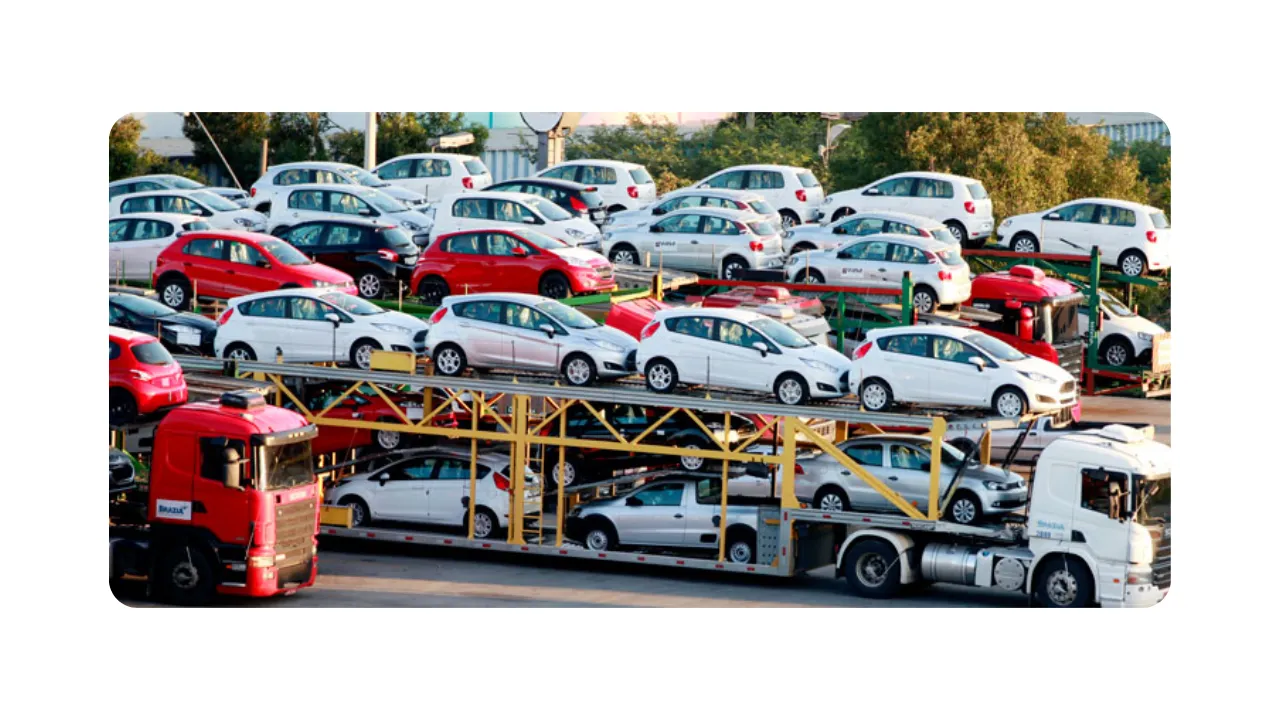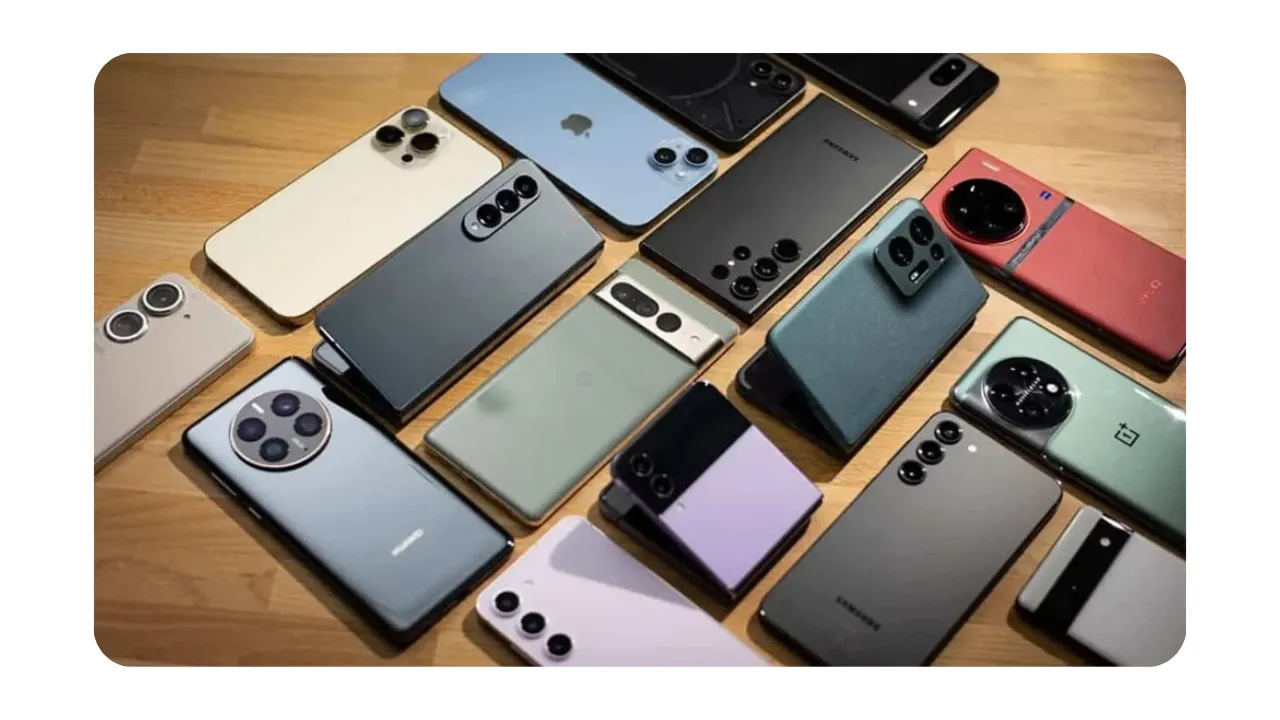
The Federal Board of Revenue (FBR) has announced a significant reduction in taxes on selected imported smartphones, making mobile devices more affordable for consumers across Pakistan. The latest move supports the government’s digital transformation goals by lowering the financial burden on people purchasing entry-level and budget smartphones.
The updated policy has generated considerable attention because it may reduce the overall cost of imported devices while improving access to smartphones for students, freelancers, online workers, and small businesses. If implemented across the market, many buyers could notice lower retail prices over the coming months.
This guide explains everything about the FBR Smartphone Tax Reduction 2026, including expected price changes, eligible devices, the impact on the mobile industry, and important information for buyers.
What Is the FBR Smartphone Tax Reduction 2026?
The latest tax relief introduced by the Federal Board of Revenue focuses on reducing certain import-stage taxes applicable to smartphones. The initiative aims to support Pakistan’s Digital Pakistan vision by encouraging smartphone ownership and expanding digital access.
According to the announced clarification, the reduction mainly targets lower-priced smartphones, particularly those valued at approximately Rs. 15,000 or below. These devices generally attract a large number of first-time smartphone buyers throughout the country.
The revised taxation structure decreases selected import-related charges, allowing importers to bring qualifying devices into Pakistan at a comparatively lower cost.

Why Has the Government Reduced Smartphone Taxes?
Several important objectives are behind this decision.
- Improve digital connectivity nationwide.
- Increase smartphone accessibility for lower-income families.
- Support online education and remote learning.
- Encourage digital payments and e-commerce.
- Expand access to government digital services.
- Help freelancers, students, and entrepreneurs use modern technology.
The government believes affordable smartphones can accelerate Pakistan’s digital economy while improving financial inclusion.
How Much Cheaper Will Smartphones Become?
The exact reduction depends on several factors, including:
- Original handset value
- Import duties
- Sales tax adjustments
- Income tax at import stage
- PTA registration charges
- Exchange rate fluctuations
- Retail market pricing
Although the precise retail price varies by model, buyers may notice meaningful savings on eligible entry-level smartphones if importers pass the reduced tax burden to consumers.
| Smartphone Category | Expected Market Impact |
|---|---|
| Entry-Level Phones | Highest price benefit |
| Budget Smartphones | Moderate savings |
| Mid-Range Devices | Limited impact |
| Premium Flagships | Minimal change |
Actual prices will continue to depend on importer costs, retailer margins, and currency exchange rates.

Who Will Benefit Most?
The policy primarily benefits consumers purchasing affordable smartphones.
Major beneficiaries include:
- Students
- Freelancers
- Small business owners
- Online sellers
- Delivery riders
- Digital banking users
- Rural internet users
- First-time smartphone buyers
Lower acquisition costs can improve access to education platforms, digital wallets, online government services, and remote employment opportunities.
Impact on Pakistan’s Mobile Market
Industry experts believe reduced taxation may increase demand for affordable smartphones.
Possible market effects include:

- Higher smartphone sales
- Greater digital inclusion
- Increased internet usage
- Expansion of online commerce
- Growth in fintech adoption
- Better access to e-government services
The policy also encourages more citizens to shift from feature phones to smartphones.
Will Local Smartphone Manufacturing Be Affected?
While imported smartphones become more affordable, the government has also emphasized protecting domestic mobile manufacturers.
Authorities have indicated that policy decisions continue to balance two important goals:
- Making smartphones affordable for consumers.
- Supporting local manufacturing and assembly industries.
Future adjustments may continue after consultation with relevant stakeholders and economic authorities.
Applying Process for Importers
Businesses intending to import smartphones should follow the latest requirements issued by the Federal Board of Revenue and other relevant authorities. Importers are expected to complete applicable customs documentation, comply with taxation rules, fulfill regulatory obligations, and ensure devices meet PTA registration requirements before entering the local market.

The exact procedure may vary depending on future government notifications and applicable import regulations.
Important Information for Buyers
Consumers planning to purchase a new smartphone should keep several points in mind.
- Compare prices from multiple retailers.
- Verify PTA approval before purchase.
- Check official warranty availability.
- Confirm device specifications.
- Request a proper purchase invoice.
- Buy from reputable sellers.
Lower taxes do not automatically guarantee identical price reductions at every retail outlet.
Expected Benefits for Pakistan’s Digital Economy
Affordable smartphones can positively influence multiple sectors.
Potential long-term advantages include:

- Increased online education participation.
- Growth in digital banking.
- Higher e-commerce activity.
- More remote employment opportunities.
- Greater access to telemedicine.
- Improved communication infrastructure.
- Wider adoption of digital government services.
As smartphone ownership expands, Pakistan’s digital ecosystem may continue to strengthen.
Frequently Asked Questions
Will every smartphone become cheaper?
No. The greatest benefit is expected for lower-priced smartphones covered by the revised taxation policy.
Does the tax reduction eliminate PTA registration charges?
No. PTA regulations remain separate from import-stage tax adjustments unless officially revised.
Will retailers immediately reduce prices?
Retail prices depend on importer inventory, exchange rates, and market competition. Price changes may appear gradually.
Can locally assembled smartphones also become more affordable?
Pricing decisions depend on manufacturers, production costs, and market conditions.
Who benefits the most from this policy?
Students, freelancers, first-time smartphone users, and consumers purchasing affordable mobile phones are expected to gain the greatest advantage.
Conclusion
The FBR Smartphone Tax Reduction 2026 represents an important step toward improving smartphone affordability in Pakistan. By lowering selected import-stage taxes on eligible devices, the initiative supports wider digital access while encouraging technology adoption among millions of consumers.
Although final retail prices will continue to depend on several market factors, the policy has the potential to make entry-level smartphones more accessible for families, students, freelancers, and small businesses. Buyers should continue monitoring official government announcements and retailer pricing to understand the full impact of the updated taxation framework.