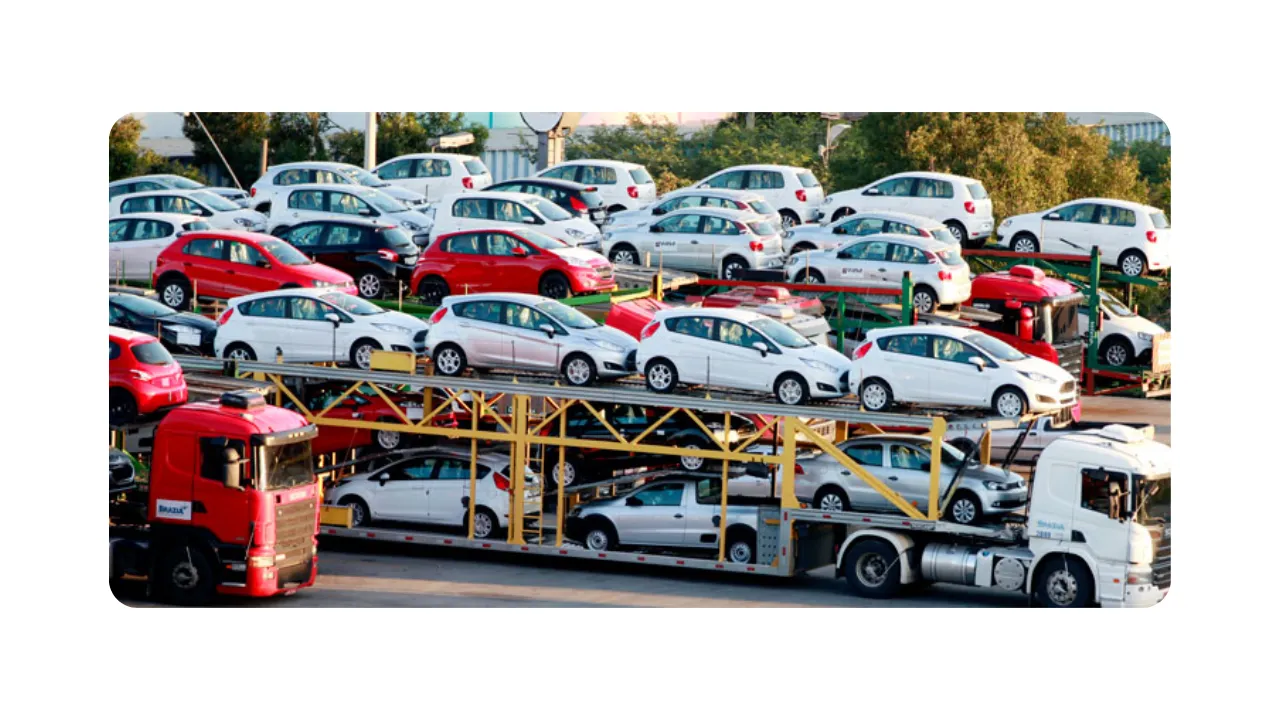
Pakistan’s automobile market could be heading toward a major shift after the Budget 2026 discussions highlighted possible reductions in import duties and tariffs on vehicles and auto parts. The proposed changes have sparked interest among buyers who have been waiting for lower prices, improved affordability, and greater competition in the industry.
If the government moves forward with the planned tariff reforms under the National Tariff Policy, consumers may see noticeable reductions in the prices of locally assembled cars as well as imported vehicles. While the final implementation details are still under review, industry experts believe the changes could reshape Pakistan’s automotive sector during the coming months.
Why Are Car Prices Expected to Decline in Pakistan?
The primary reason behind the expected reduction is the government’s plan to gradually lower customs duties and regulatory charges on automobiles and spare parts.
According to official discussions, maximum tariff rates that currently make vehicles expensive may be significantly reduced over time. Lower import costs can help manufacturers reduce production expenses, which may ultimately benefit customers through more competitive pricing.
The proposed reforms are also aimed at creating a healthier market environment where buyers have access to more choices and better value for money.
Budget 2026 Auto Sector Reforms Explained
The Budget 2026 proposals focus on modernizing Pakistan’s tariff structure and aligning it with long-term economic objectives.
Key areas under discussion include:

- Reduction in customs duties on vehicles
- Lower charges on imported auto components
- Increased market competition
- Improved consumer affordability
- Gradual implementation of tariff reforms
- Support for long-term industrial efficiency
These measures are expected to influence pricing across multiple vehicle categories, including hatchbacks, sedans, SUVs, and commercial transport units.
How Much Cheaper Could Cars Become?
The exact reduction will vary depending on vehicle type, engine category, brand, and the final tariff schedule approved by policymakers.
Industry analysts suggest that if duty reductions are fully implemented, consumers could see meaningful price adjustments across several segments.
Potential beneficiaries may include:
| Vehicle Category | Possible Impact |
|---|---|
| Small Hatchbacks | Better affordability |
| Family Sedans | Lower showroom rates |
| SUVs | Improved value proposition |
| Imported Vehicles | Enhanced price competitiveness |
| Commercial Vehicles | Reduced acquisition costs |
Actual figures will depend on future notifications and implementation timelines.
Impact on Local Car Manufacturers
Local assemblers have traditionally operated under a protected tariff framework. Any reduction in duties could introduce stronger competition from international brands and imported units.

While consumers may welcome lower prices, manufacturers could face pressure to improve efficiency, quality standards, and pricing strategies.
Industry stakeholders believe that increased competition often encourages innovation and better customer services, ultimately benefiting the market as a whole.
What This Means for Car Buyers
For individuals planning to purchase a vehicle in 2026, the proposed reforms may create new opportunities.
Benefits for consumers may include:
- More affordable vehicle options
- Better financing value
- Expanded model availability
- Increased competition among brands
- Improved pricing transparency
Many buyers are now closely monitoring government announcements before making final purchasing decisions.
Will Imported Cars Also Become More Affordable?
Imported vehicles are among the categories that could benefit from tariff adjustments.

If customs duties are reduced, the landed cost of foreign models may decline, making them more attractive to Pakistani consumers.
However, exchange rate fluctuations, freight charges, and other economic factors will continue to play a role in determining final retail prices.
Budget 2026 and the Future of Pakistan’s Auto Industry
The proposed tariff reforms are part of a broader effort to improve economic competitiveness and reduce barriers that contribute to high consumer prices.
Experts believe that a balanced approach can support both industrial development and consumer welfare.
If implemented effectively, these measures may encourage investment, technology transfer, and greater efficiency throughout the automotive ecosystem.
Applying Process for Vehicle Purchase After Price Revision
Individuals interested in purchasing a vehicle after any future price adjustments should stay updated through authorized dealerships, manufacturer announcements, financing institutions, and official government notifications.

Buyers are advised to compare available options, evaluate financing packages, review updated price lists, and confirm delivery schedules before making a purchase decision.
Expected Timeline for New Vehicle Prices
The tariff proposals are still under discussion, and final outcomes will depend on government approvals and implementation schedules.
Any official changes affecting vehicle prices are likely to become clearer after policy notifications and industry responses are released.
Consumers should follow verified announcements rather than relying on speculation circulating on social media platforms.
Conclusion
The Budget 2026 proposals have created optimism among consumers hoping for lower vehicle prices in Pakistan. Planned tariff reductions could make cars more affordable, improve competition, and provide greater value for buyers across different segments.
Although the final impact will depend on official implementation, the ongoing reforms signal a potentially important turning point for Pakistan’s automobile market. Those considering a purchase should keep an eye on upcoming announcements, as the coming months may bring significant developments for both consumers and the automotive industry.

FAQs
Will car prices decrease immediately after Budget 2026?
Not necessarily. Any reduction will depend on the timing of official policy implementation and manufacturer responses.
Which vehicles may benefit the most from tariff cuts?
Both locally assembled and imported models could experience positive pricing effects depending on the final structure.
Can imported cars become cheaper in Pakistan?
Yes, lower duties could reduce overall import costs, although other economic factors will still influence final prices.
Why is the government considering tariff reforms?
The objective is to improve competitiveness, enhance affordability, and align the tariff framework with broader economic goals.
Should buyers wait before purchasing a new car?
Many consumers are monitoring upcoming policy announcements before making purchasing decisions, but individual circumstances may vary.